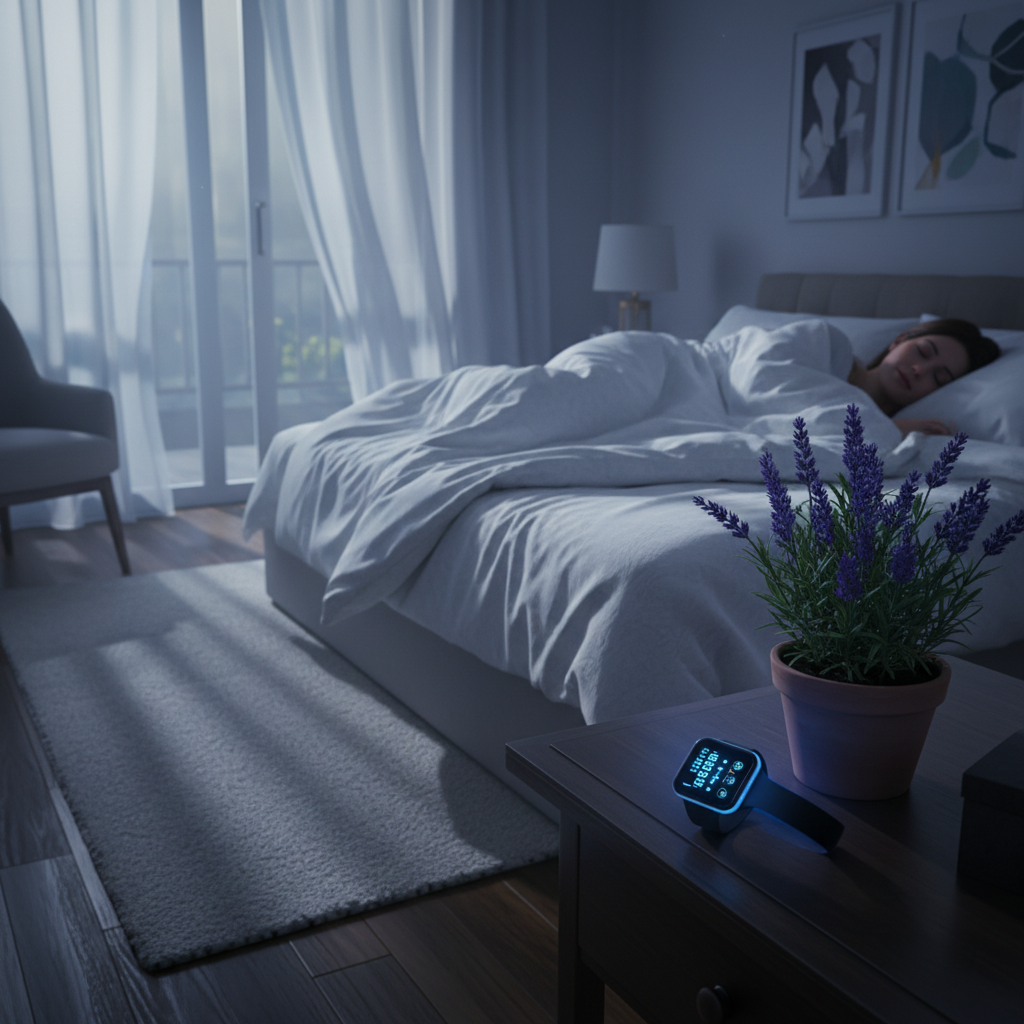
Sleep & Recovery
Sleep quality scoring from your wearable, AI-driven recovery insights, historical trends, and built-in binaural beats. Because great training starts the night before.
Why you'll love it
Sleep quality scoring
Every night is scored Good, Fair, or Poor based on duration, consistency, and sleep stage data from your wearable. Wake up knowing exactly where your recovery stands.
Wearable integration
Pulls sleep data automatically from Google Health Connect and Apple HealthKit. Compatible with Fitbit, Samsung, Garmin, Whoop, and more. No manual logging required.
Sleep stage breakdown
Where supported by your wearable, Ascend displays REM, light, deep, and awake periods across the night so you can see the full architecture of your sleep.
AI Coach sleep insights
Your AI Coach analyses your sleep scores alongside training load and recovery metrics to deliver personalised recommendations: when to push hard, when to rest.
Historical trends and patterns
Weekly and monthly trend charts reveal your sleep patterns over time. Spot the behaviours that help you sleep well and the ones that cost you recovery.
Training performance correlation
Ascend surfaces the link between your sleep quality and workout performance. See how a poor night of sleep affects your next day’s output and adjust accordingly.
Binaural beats for sleep aid
Delta wave binaural beats designed to help you fall asleep faster. Scientifically backed frequencies promote deep, restorative sleep, with an auto-off timer so your phone doesn’t stay on all night.
Smart bedtime reminders
Set a consistent bedtime reminder to reinforce a regular sleep schedule. Regularity is one of the strongest predictors of sleep quality, and Ascend helps you stay on track.
Key capabilities
Sleep is your greatest performance tool
The science is unambiguous: sleep quality directly determines how well you train, recover, and perform. Ascend makes it measurable and actionable.
Recommended nightly sleep for adults (NHS)
Performance drop from a single poor night’s sleep
Higher injury risk when sleeping under 6 hours
Adults in the UK regularly get insufficient sleep
How it works
Your wearable collects the data
Your Fitbit, Samsung Galaxy Watch, Garmin, or other wearable tracks your sleep overnight: duration, stages, heart rate, and movement. This data syncs to Google Health Connect (Android) or Apple HealthKit (iOS).
Ascend scores your night
Each morning, Ascend reads your overnight data and calculates a sleep quality score based on total duration, sleep stage balance, and consistency with your previous nights. Good, Fair, or Poor. No ambiguity.
Your AI Coach adjusts your plan
A poor night’s sleep isn’t just noted; it’s acted on. Your AI Coach factors your recovery score into the day’s training recommendations, flagging when you should scale back intensity to avoid overreaching.
Trends reveal what actually matters
Over weeks and months, the pattern becomes clear. Ascend’s trend charts help you identify which habits correlate with better sleep, whether that’s training timing, nutrition choices, or simple consistency.
Binaural beats: sleep in minutes, not hours
Ascend includes a built-in binaural beats player tuned to delta wave frequencies (0.5–4 Hz), the range associated with the deepest, most restorative stages of sleep. Simply start a session, choose your timer (15 to 90 minutes), and let the audio guide you down. The beats fade out automatically so there's nothing to remember before you drift off. Unlike generic sleep sounds, binaural beats require stereo headphones to work. Each ear receives a slightly different frequency, and the brain perceives the difference as a low-frequency beat that encourages synchronisation with slow-wave sleep patterns.
Official NHS health guidance
NHS: How to get to sleep →Ready to start?
Download Ascend today and get a free 7-day Elite trial. No credit card required.